Master Your Budget with a Digital Monthly Expense Tracker
Managing money in a fast-paced digital world requires more than just a calculator and a bank statement. It requires a system that fits into your lifestyle, especially if you spend most of your working hours on an iPad or Android tablet. Whether you are a freelancer juggling client invoices, a small business owner tracking overhead, or a hobbyist trying to keep personal spending in check, the friction of traditional accounting often stops us before we start. This is where the concept of a Digital Monthly Expense planner comes into play. It transforms the tedious task of bookkeeping into a tactile, visual, and organized experience right on your screen.
Transforming Data Entry into a Visual Workflow
The core utility of a digital expense system lies in its ability to bridge the gap between raw data and actionable insight. When you utilize a Digital Monthly Expense setup within apps like GoodNotes, Notability, Xodo, or Noteshelf, you are not just typing numbers into a spreadsheet. You are engaging with a designed interface. A high-quality PDF planner allows you to write with your stylus, mimicking the satisfaction of pen on paper, while retaining the infinite flexibility of digital editing.
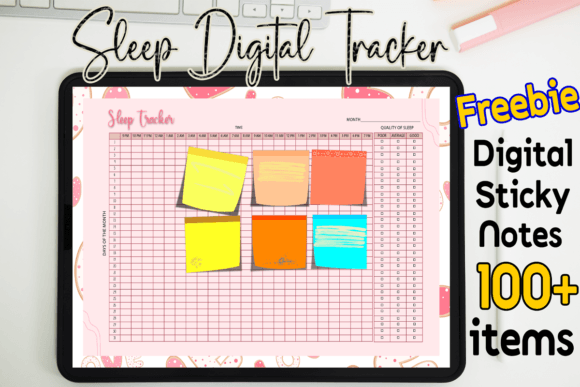
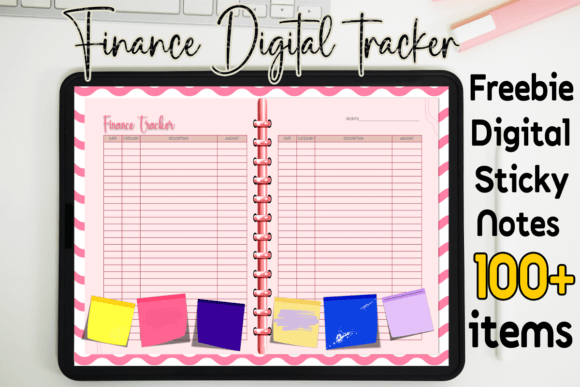
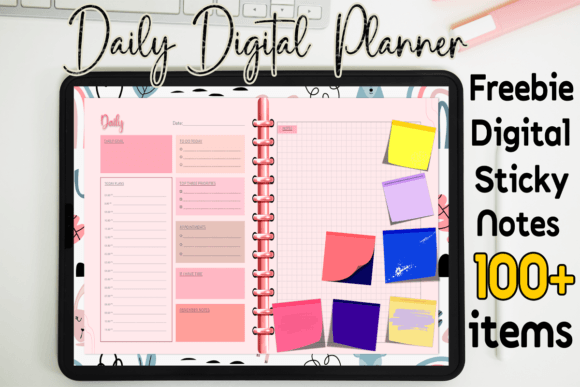
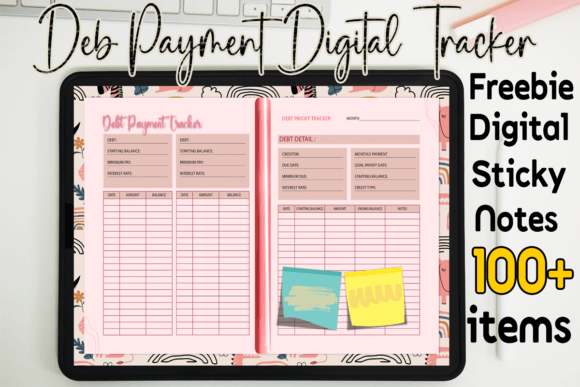
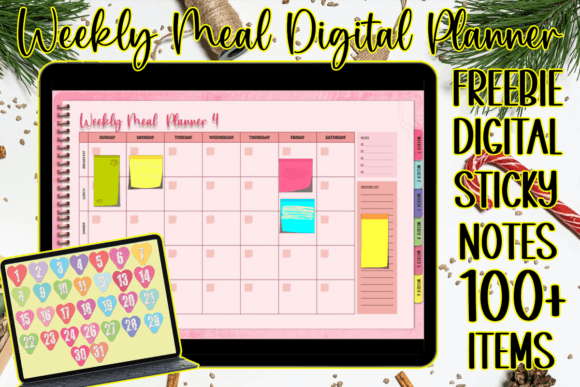
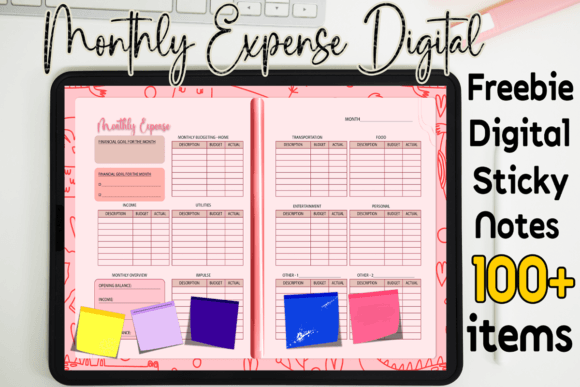
A specific asset that enhances this workflow is the Digital Monthly Expense freebie Sticky 100+ File pdf. This collection is not just a static page; it is a dynamic toolkit. It consists of over 100 distinct sticky note items designed to overlay onto your planner pages. Imagine categorizing your expenses not just by color-coding text, but by dragging and dropping specific visual cues onto your calendar or ledger. For a content creator, this might mean placing a "Subscription" sticky on the day your Adobe or Canva payments are due. For a crafter, it could be a "Supply Run" note on a weekend slot.
The visual characteristics of these digital stickers are crucial. They are designed to look like realistic paper textures or smooth digital decals, depending on the aesthetic you prefer. This adds a layer of personality to your financial tracking. Instead of a sterile, boring spreadsheet that you dread opening, you have a vibrant, organized dashboard that feels like a creative project in itself. This psychological shift—from viewing budgeting as a chore to viewing it as a design task—can significantly improve consistency.
Practical Applications for Professionals and Creatives
For designers, marketers, and brand strategists, consistency is everything. This applies to your finances as much as it does to your brand identity. Using a structured Digital Monthly Expense tracker helps maintain that professional consistency. When you can see your monthly cash flow laid out visually, you make better decisions about reinvesting in design assets, upgrading your software, or pricing your services.
Here is how different users can leverage these digital tools effectively:
- Entrepreneurs and Small Business Owners: Use the sticky notes to tag recurring revenue versus one-off expenses. The tactile nature of moving a digital sticker to mark a paid invoice provides a small dopamine hit that makes the process enjoyable.
- Publishers and Bloggers: Tracking ad revenue and hosting costs can get messy. A digital planner allows you to create a dedicated section for "Content Costs," using the 100+ file PDF to differentiate between writing, editing, and graphic design expenses.
- Freelancers: Time is money. Having your expense tracker open alongside your project management app on a split-screen iPad setup ensures you are always aware of your financial health without switching contexts.
The versatility of these files across different operating systems is also a major selling point. Whether you are on an iPad using GoodNotes or an Android tablet using Xodo, the PDF format ensures that your layout remains intact. The sticky notes function as image files that can be resized and pasted, offering universal compatibility. This cross-platform utility ensures that your financial system is as mobile as you are.
Optimizing Your Digital Workspace
When setting up your Digital Monthly Expense planner, it is important to think about the hierarchy of information. Just as in editorial design or web design, where you guide the reader's eye, you need to guide your own eye through your expenses. Use the larger sticky notes for major fixed costs like rent or software subscriptions. Use smaller, more subtle notes for variable costs like coffee or office supplies.
Furthermore, the aesthetic appeal of your planner shouldn't be underestimated. If the visual style resonates with you—perhaps it uses a modern, minimalist layout or a warm, textured paper look—you are more likely to stick with it. The Digital Monthly Expense freebie Sticky 100+ File pdf often includes various styles to match different tastes. This attention to visual detail turns a mundane administrative task into a moment of creative organization. It is about building a system that respects both your need for financial clarity and your appreciation for good design.
Ultimately, tracking your monthly expenses digitally is about removing barriers. It is about having the right tools at your fingertips to make informed decisions quickly. By integrating a robust collection of digital stickers and a structured PDF layout, you transform your tablet into a powerful financial command center that is both practical and visually engaging. This approach ensures that managing your money feels less like accounting and more like curating your life.