Debt Payment Digital Tracker: Your Financial Blueprint
Staring down a list of debts can feel like looking at a map with no clear path. The numbers blur, the due dates pile up, and the emotional weight of it all can paralyze even the most organized person. This is where a tangible system becomes your greatest ally. A Debt Payment Digital Tracker isn't just a spreadsheet; it's a visual command center for your financial journey. Specifically, a single-page design offers a powerful, at-a-glance overview that transforms abstract anxiety into a structured, actionable plan. It’s the difference between feeling overwhelmed by your finances and feeling in control of them.
The Anatomy of an Effective Financial Dashboard
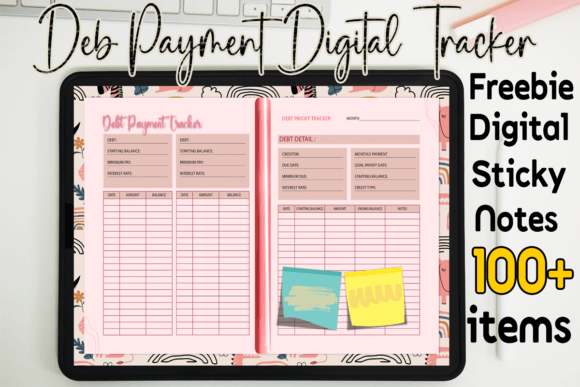
What makes a single-page tracker so potent? Its design philosophy is built on clarity and motivation. Imagine a clean, minimalist layout that uses strategic color blocking and clear typography to separate different types of debt—credit cards, student loans, auto loans. Each debt likely has its own dedicated section for the creditor name, current balance, interest rate, minimum payment, and a crucial "Extra Payment" field. This last element is where real progress happens. The visual personality of a well-designed tracker is one of calm authority. It uses ample white space to prevent visual clutter, a serif font for headings to convey stability, and a clean sans-serif for data to ensure absolute readability. The overall appeal is professional yet approachable, making a serious task feel manageable and even satisfying.
The true power of this single-page format lies in its comprehensive snapshot. You see everything at once: your total debt burden, your monthly payment obligations, and the clear path of your snowball or avalanche method. This eliminates the need to flip between tabs or scroll through endless rows. For the entrepreneur juggling business credit lines alongside personal debt, or the freelancer managing irregular income against fixed payments, this holistic view is invaluable. It serves as a constant visual reminder of your goals and the progress you're making, which is a critical psychological component of long-term financial discipline.
Integrating Your Tracker into a Digital Ecosystem
The modern financial toolkit is digital, and your debt tracker should seamlessly integrate into it. This is where the Debt Payment Digital Tracker 1 Pages File shines. Designed as a digital product, it’s built for the apps you already use on your iPad or Android tablet. Compatible with GoodNotes, Notability, Xodo, and Noteshelf, it becomes a living document within your preferred digital notebook environment.
The benefits of this integration are immense. You can write directly on the PDF with your stylus, creating a tactile, personal connection to your financial data. Need to adjust a payment amount? Simply erase and rewrite. Want to highlight a debt you've paid off? Use your app's highlighter tool for a burst of instant gratification. The file acts as a permanent, editable record that you can back up to the cloud, ensuring your financial blueprint is always safe and accessible. This isn't a static printout; it's a dynamic workspace that evolves with you.
Beyond the Basics: The Freebie Sticky Notes Advantage
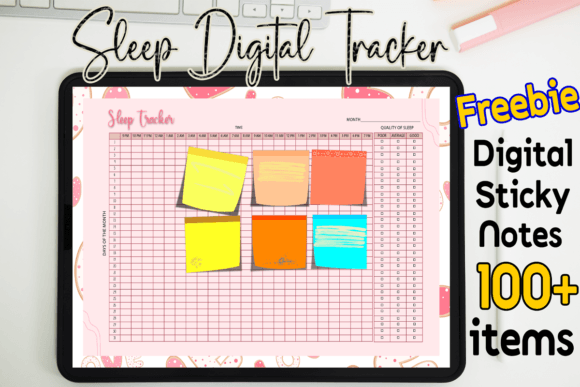
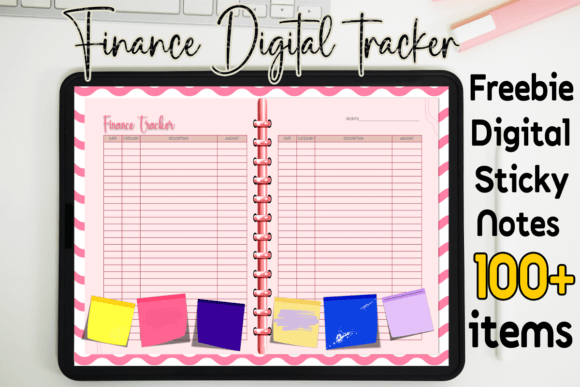
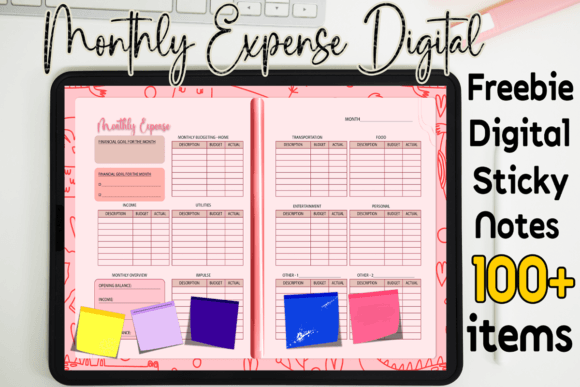
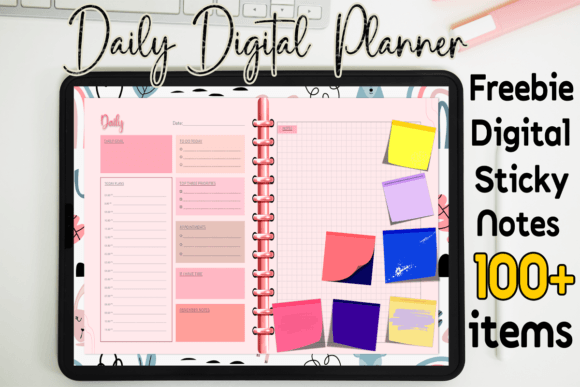
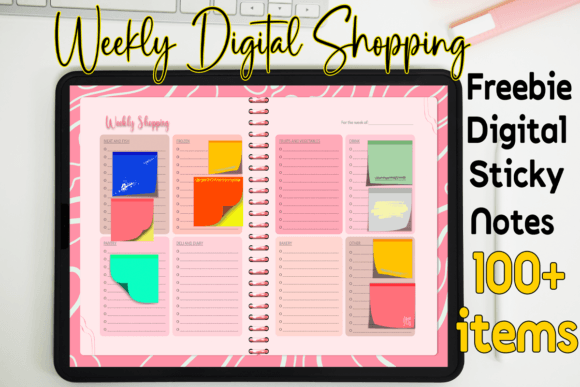
To elevate the utility of your tracker, many premium digital planners include bonus assets. A standout feature is the inclusion of 100+ File Pdf for app compatible Freebie Sticky Notes. These aren't just decorative. They are functional design assets that add a layer of strategic organization to your financial planning.
Use a sticky note to jot down a reminder about a balance transfer offer deadline. Pin a note to a specific debt with a motivational quote to keep you focused during a tough month. Create a note for your "why"—the reason you're aggressively paying down debt—to keep it front and center. These digital notes can be moved, resized, and color-coded, allowing you to create a custom system of annotations that makes your single-page tracker uniquely yours. It transforms the tracker from a mere recording tool into an interactive financial journal.
Choosing Your Digital Financial Partner
When selecting a Debt Payment Digital Tracker, think like a designer evaluating a design asset for a critical project. First, assess the visual hierarchy. Can you immediately identify the most important information? Does the layout guide your eye logically from total debt overview to individual account details? Readability is non-negotiable. The typeface used for numbers and labels must be clear at any zoom level, especially on smaller tablet screens.
Next, consider the brand identity of the tool itself. Does its style match your personal or professional aesthetic? A tracker with a clean, modern typography approach can feel more professional and trustworthy, which can subconsciously reinforce your commitment to the process. Think of it as the packaging design for your financial plan—the right presentation increases engagement.
Finally, evaluate its practical fit. Does it align with your debt repayment strategy? A good tracker is versatile, offering fields that work for both the debt snowball and avalanche methods. Before committing, mentally test the "pairing" between this tracker and your existing financial apps or spreadsheets. Does it complement your workflow, or does it create redundancy? The goal is to find a premium font for your finances—a tool that is both beautiful and supremely functional, one that you'll actually want to open and use consistently. This consistent engagement is the key to turning a digital file into real-world financial freedom.