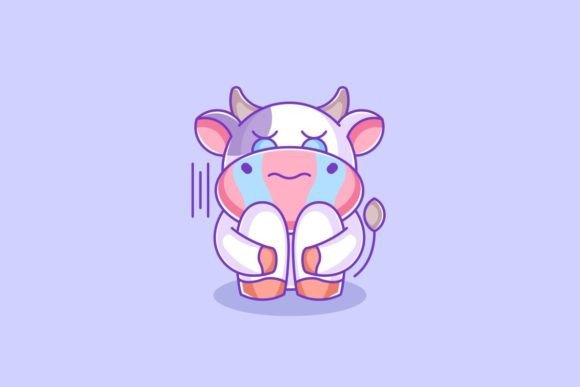
Understanding Cow Sad and Crying: A Creative Design Asset
When you first encounter the "Cow Sad and Crying" vector, your reaction is likely immediate: a mixture of empathy and amusement. It is not just a simple illustration of livestock; it is a character study rendered in vector format. In the world of visual communication, we often focus on joy, excitement, or corporate neutrality. However, tapping into a wider range of emotions is what separates a standard brand from a memorable one. This specific design asset captures a specific, relatable human emotion—melancholy—through the filter of an anthropomorphic animal. For designers and content creators, understanding the nuance of this graphic is the first step toward using it effectively.
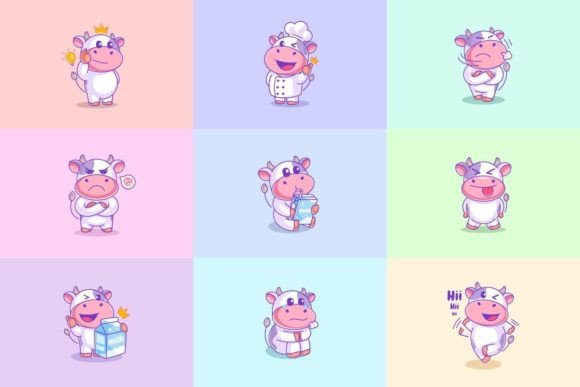
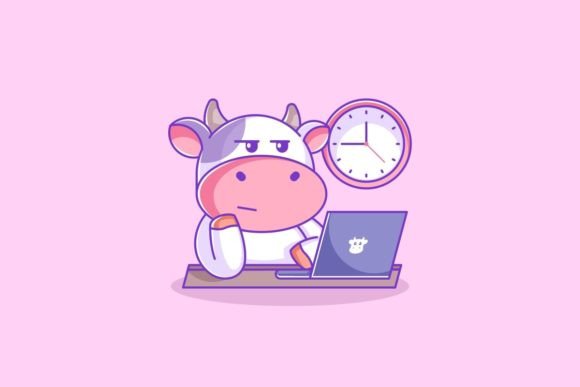
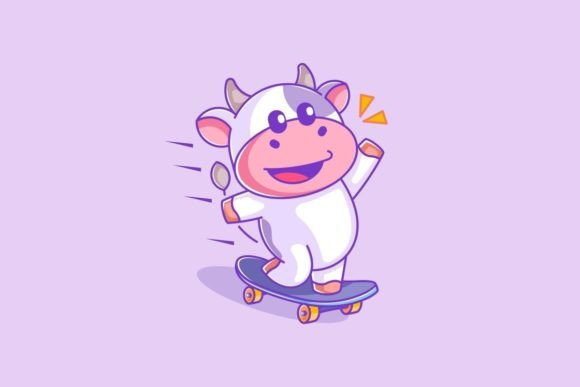
The visual style of "Cow Sad and Crying" relies heavily on exaggeration. The eyes are likely large and glassy, a common trope in character design to elicit an emotional response from the viewer. The posture is probably slumped, conveying defeat or longing. Because this is a vector file, the lines are crisp and scalable. This is crucial for modern typography and graphic design workflows. Whether you are working on a massive billboard or a small social media icon, the integrity of the character remains. The aesthetic leans towards a "cute" or "kawaii" influence, softening the sadness so it feels endearing rather than depressing. This balance is vital for commercial viability; you want your audience to feel sympathy, not pity.
The Versatility of Emotional Branding
One might assume that a sad cow has a limited scope of use. In reality, the application of this asset is surprisingly broad. In the realm of packaging design, humor is a powerful tool. Imagine a dairy alternative brand using this character on their packaging to playfully suggest that regular milk makes cows sad. It creates an instant narrative without words. For entrepreneurs and small business owners, this graphic offers a way to humanize a brand. It works exceptionally well for "out of stock" notifications, error 404 pages on web design projects, or even humorous email marketing headers acknowledging that the weekend is over.
For bloggers and publishers, the "Cow Sad and Crying" illustration serves as a perfect editorial design element. If you are writing about mental health, burnout, or even just a bad day at the office, this character acts as a visual metaphor. It breaks up large blocks of text and adds personality to the page. Furthermore, crafters and hobbyists can utilize the EPS and AI file versions for physical products. Think about custom greeting cards for a friend going through a breakup, or vinyl stickers for laptops. The fact that it is a premium font—well, a premium vector asset in this case—means the lines are clean enough for die-cutting machines, ensuring a professional finish on physical goods.
Integrating the Asset into Visual Hierarchies
Using an emotional character like "Cow Sad and Crying" effectively requires an understanding of visual hierarchy. This asset should rarely be the background noise; it is usually a focal point. Because of its high emotional charge, it draws the eye immediately. When designing a social media graphic, for example, you want to ensure that the text complements the image rather than competing with it. A sans-serif font with a clean, modern structure often pairs best with detailed illustrations. The sharp, geometric nature of a sans serif typeface provides a nice contrast to the organic, flowing lines of the cow illustration.
However, if you are aiming for a softer, more whimsical brand identity, pairing the vector with a script font or handwritten font can work well, provided the script is legible. Avoid overly ornate serifs or complex display fonts that might clutter the design. The goal is clarity. When a viewer sees the sad cow, they should feel the emotion instantly, and the typography should deliver the punchline or the message without hesitation. This asset is a tool for engagement; it stops the scroll. People relate to anthropomorphized animals because they see themselves in the creature's shoes (or hooves).
Technical Considerations and File Formats
A significant advantage of this specific asset is the availability of scalable vector formats. As noted, there is no size limit. For marketers and creative professionals, this offers immense flexibility. You might start a campaign using the cow on an Instagram story, but later decide to feature it on a trade show banner. With a raster image (like a JPEG), enlarging it would result in pixelation and a loss of professionalism. With the vector version, the curves remain mathematically perfect.
When you download the file, you will likely encounter AI and EPS formats. These are industry standards for design assets. They allow for full customization in software like Adobe Illustrator. You can change the colors to match specific brand identity guidelines, adjust the line weight to match a specific serif font you are using, or isolate parts of the illustration to create custom patterns. This level of control is what separates amateur design from professional execution. It allows the asset to become a true part of the brand system rather than just a clip-art pasted on top.
Strategic Application for Different Audiences
Different segments of the creative market will find unique value in "Cow Sad and Crying." For content creators on platforms like YouTube or TikTok, the character can be used as a recurring mascot for "fail" segments or relatable content about the struggles of the creative process. It builds a visual language that the audience begins to associate with the creator's specific brand of humor.
For those involved in editorial design, such as magazine layouts or newsletter headers, the illustration can soften the tone of serious topics. It serves as a visual buffer, making heavy content feel more accessible. Meanwhile, entrepreneurs in the pet or agricultural industry can use it to show empathy. A veterinary clinic, for instance, could use the sad cow in marketing materials to say, "We know it’s hard when they are sick," immediately establishing a compassionate tone.
Evaluating Fit and Typography Pairings
Before committing to this asset, consider the "voice" of your project. Does your brand use sarcasm? Is it generally supportive? The "Cow Sad and Crying" image has a specific tone—it is vulnerable. If your brand identity is aggressive, corporate, or strictly serious, this illustration might create a dissonance with your audience. However, if your brand embraces modern typography trends that favor personality and humanity, this is an excellent addition.
When testing font pairings, look for typefaces that don't compete for attention. A bold, heavy slab serif might clash with the delicate emotional state of the cow. Instead, try a medium-weight geometric sans-serif for headlines and a simple, readable body copy font. The contrast between the sadness of the image and the clean professionalism of the text can create a humorous tension that works well in advertising. Ultimately, this asset is about connection. It uses a cute animal to express a universal human experience, making it a versatile and powerful tool in any designer's kit.